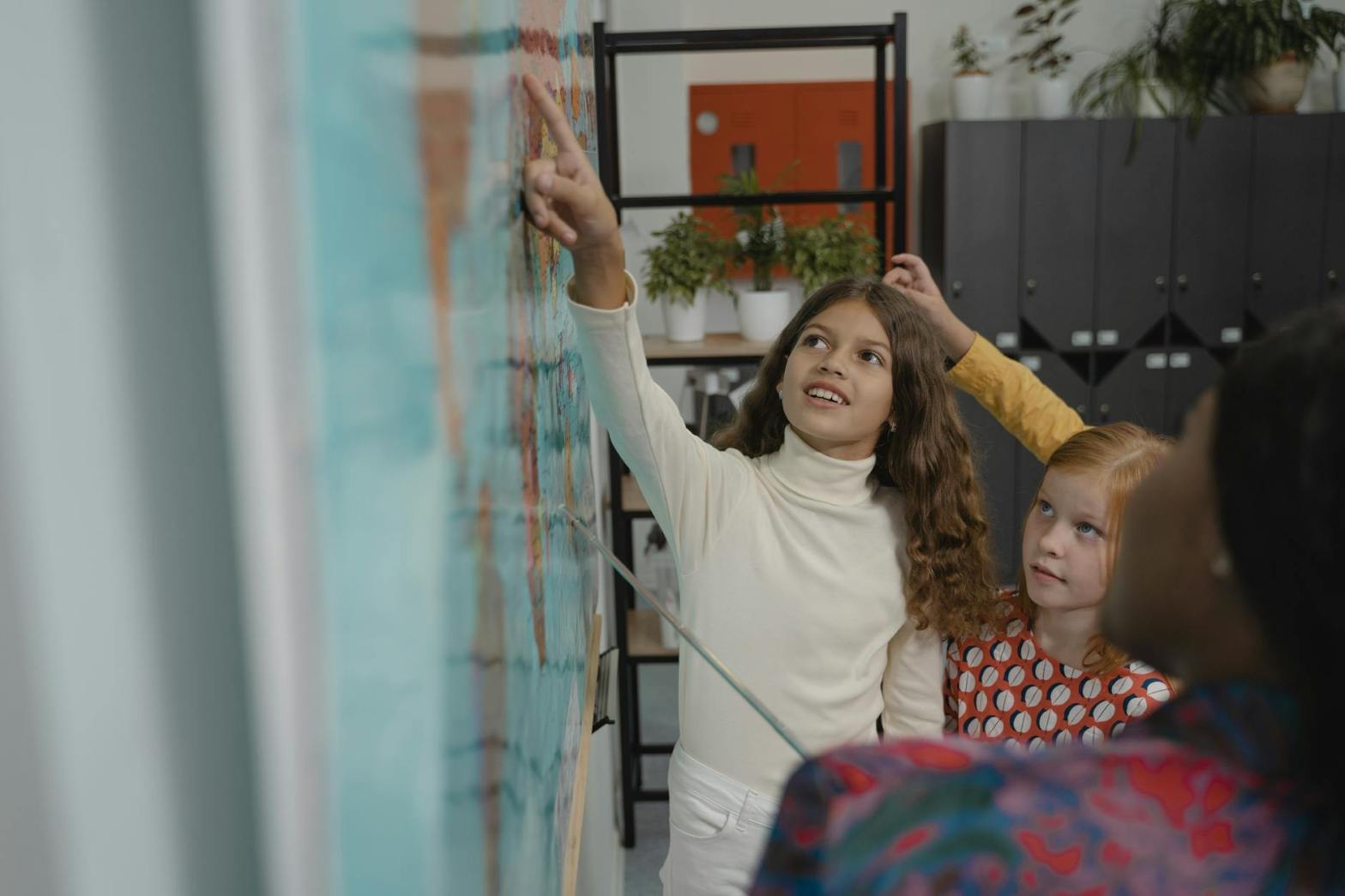
“Learning readiness” means that a person has mastered all the skills they need to access even more learning opportunities. Learning to decode a word helps a person read words they have never seen (as explained in my free ebook Baby Bright:Bookworms). Learning to read or navigate the internet allows a person to find new information and pick up new, unrelated skills, which is why these are sometimes called “learning to learn” skills. Learning to look at other people’s facial expressions, or to look where they are looking, are both social learning to learn skills that most people acquire as infants and without any formal instruction.
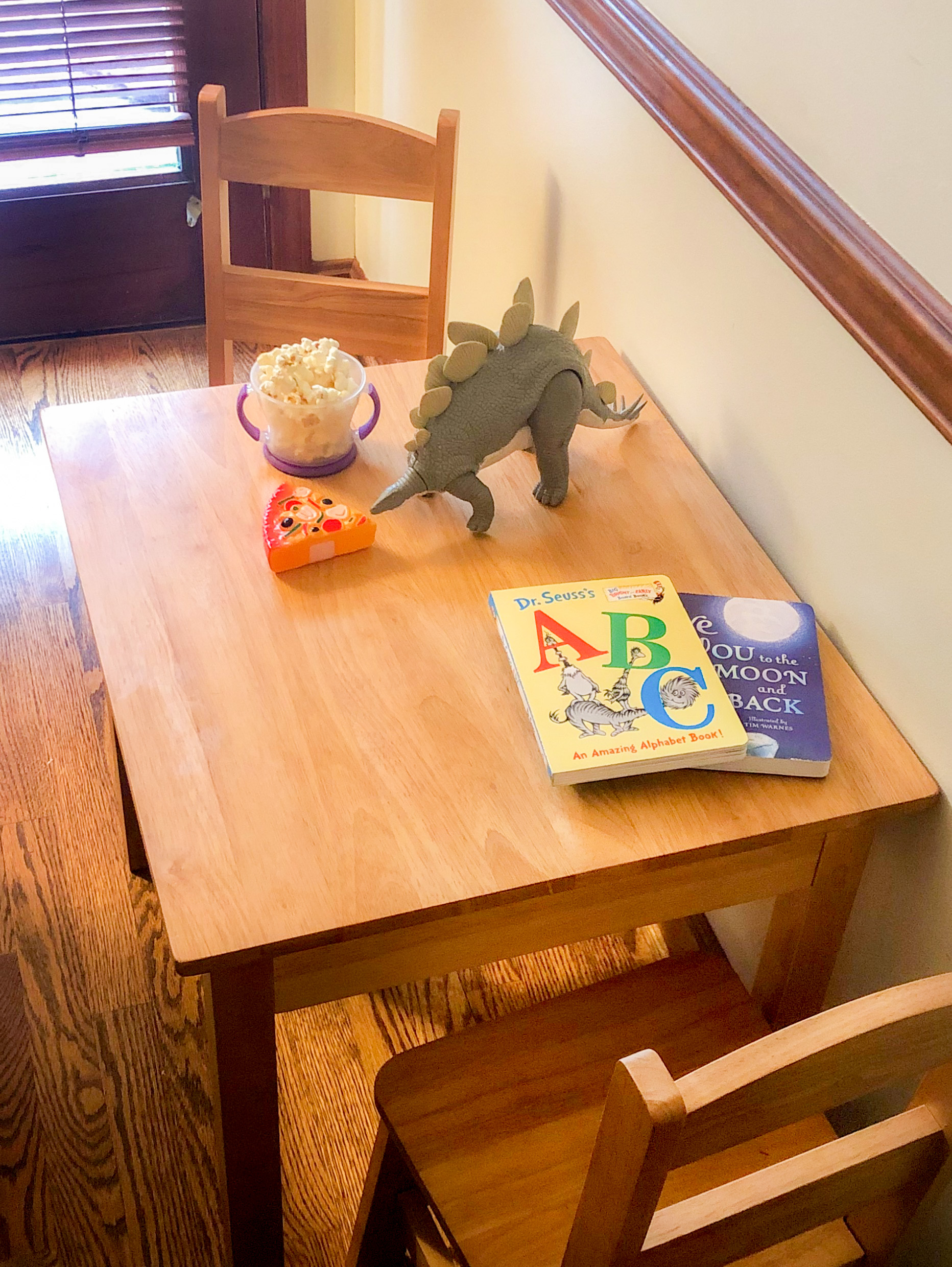
Depending on a client’s needs and age, learning readiness targets may need to be taught directly before beginning a program that more resembles the typical educational setting or eventual therapeutic setting. For a person who needs structured teaching, following one step instructions, sitting at a table, tolerating other people nearby, returning preferred items, and remaining calm and safe in an instructional setting are all learning to learn skills. Mastery of these skills is sometimes also called “table readiness,” even if the objective is not to have the client sit at a table for any significant amount of time.
Schedule an appointment for parent training and coaching using the form below:
Your message has been sent

 Spectrum Behavioral Services of Kentuckiana
One thought on ““Learning to Learn” Skills”